
This easy Winter Vegetable Pottage is a hearty, traditional British stew that's packed with root vegetables, beans, warming herbs, and thickened with turmeric breadcrumbs. Inspired by historical pottage recipes that go back centuries, it's a nourishing bowl of old-fashioned comfort food that is perfect for budget-friendly family dinners, batch cooking, or cosy suppers.
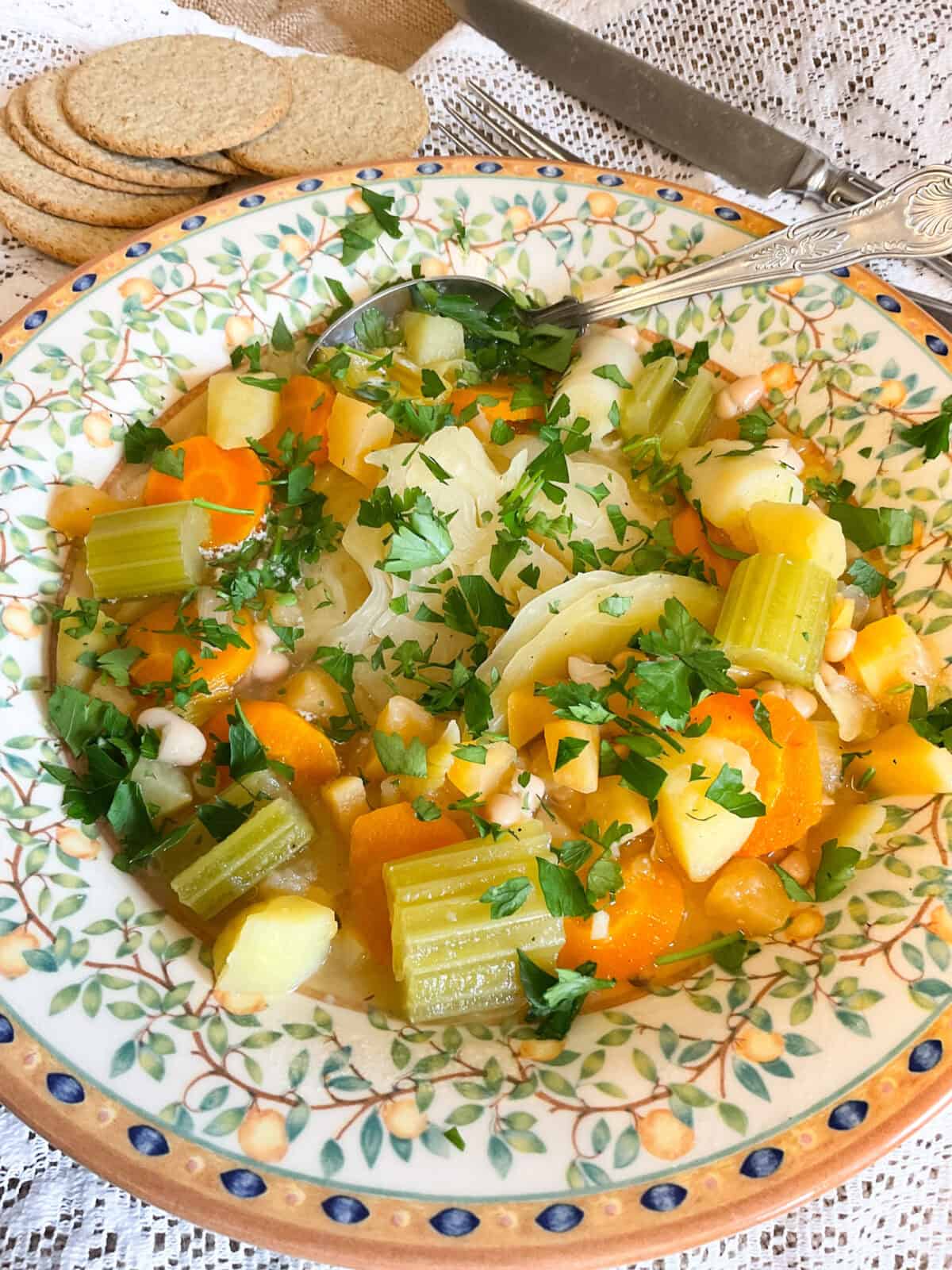
This very old recipe for Winter Vegetable Pottage (origins are pre-18th century) was originally called Pottage of Winter Vegetables in Elizabeth Ayrton's 'The Pleasure of Vegetables' cook book published in 1983.
This is a nice chunky wholesome traditional pottage packed with vegetables and beans, thickened with seasoned bread crumbs, and flavoured with bay leaves, garlic, and thyme.
You won't need any stock cubes or broth for this recipe as the ingredients flavour the pottage into a very delicious thick broth. This is also an oil-free pottage recipe as no butter, margarine, or oil is required in the cooking of the pottage which is traditional to the original recipe.
The original recipe does call for some butter to be added to the cooked cabbage but this is optional and can be replaced with dairy-free margarine depending on dietary requirements.
Jump to:
🧡 Why you'll love this Winter Vegetable Pottage
- It's a nourishing, budget-friendly, easy one-pot recipe perfect for everyday meals or whenever you need some comfort food.
- Based on a centuries-old British recipe that has stood the test of time.
- Can be easily prepared as vegan-friendly & plant-based, as well as vegetarian. The original recipes called for gammon to be cooked separately and served with the pottage but the pottage is hearty enough to be a stand-alone dish.
- Packed with seasonal winter vegetables and protein-rich beans, it's also naturally gluten-free (if you use GF bread) and easy to customise with what you have on hand.
- It's a beautiful example of historical fuss-free home cooking with no fancy techniques or ingredients needed.
- Leftovers taste even better the next day, and it's ideal for batch cooking or freezing for fuss-free future meals.
- It's versatile in presentation as you can serve it rustic and hearty like a medieval pottage, or plated with care in the more formal 18th-century style.
📜 Pottage of Winter Vegetables origin
The recipe for pottage of winter vegetables can be found in Elizabeth Ayrton's cook book The Pleasure of Vegetables (1983) on page 50. Ayrton describes this pottage recipe as a common one as it can be sourced on 'very early cookery books, and in at least two manuscripts'. Ayrton says that before the 18th century this pottage would have been served differently.
Early versions of winter pottage would have been served with all the ingredients ladled into one bowl, as opposed to pottages after the 1700s where the vegetables would have been strained out of the liquid and served as a separate part of the meal. Gammon was often cooked alongside the pottage, then served separately, with the vegetables in one bowl and the cooking liquid in another.
Ayrton's recipe calls for breadcrumbs mixed with turmeric to be placed at the bottom of a soup tureen or large bowl and cream poured over the mixture. The cooked vegetables from the pottage are placed on a separate dish, with a small whole cabbage which was cooked in the pottage placed in the centre.
A pat of butter is placed over the cabbage along with a sprinkle of parsley to garnish. The remaining pottage liquid is poured over the breadcrumb and cream mixture.
You can of course present your winter pottage in the more medieval style of just ladling everything in the pottage into a bowl or go with the 18th century style pottage and serve each component separately at the dinner table.
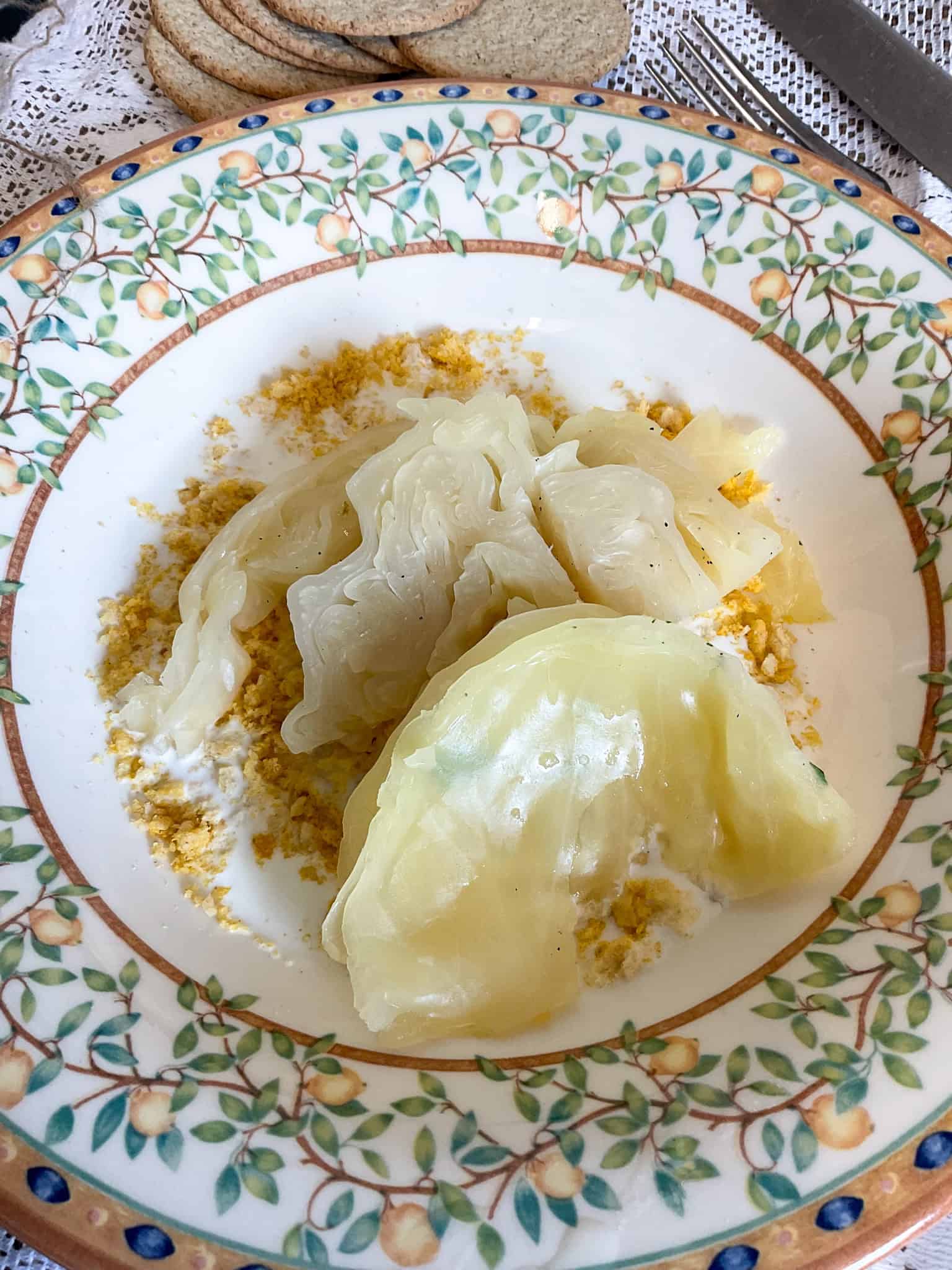
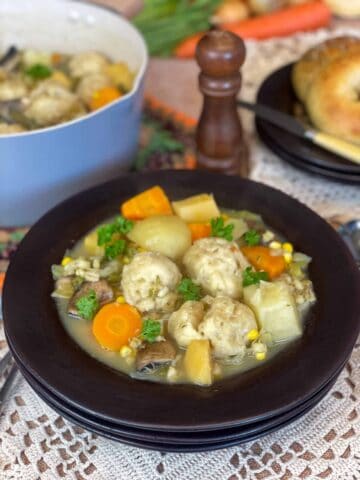
I decided to add the breadcrumb-turmeric mixture to the bottom of each serving bowl and added a few wedges of sliced cabbage. I laded over the vegetables and liquid and topped with a few pats of butter (I used vegan butter) and a sprinkle of parsley.
🍽️ Serving suggestions
This is the blurb above the recipe in Elizabeth Ayrton's book 'The Pleasure of Vegetables' and it provides serving suggestions for the vegetable pottage.
''This recipe may be found in several very early cookery books, and in at least two manuscripts.
It varies slightly in all of them but in essence the same. Before the eighteenth century, the vegetables were not strained and served separately but were simply ladled out as part of the pottage.
Served separately to accompany a piece of home-cooked gammon and preceded by the soup, the pottage makes a perfect evening meal for a chilly night.
Serve crusty bread or potatoes in their jackets with it, and drink rough red wine or dry cider.
The cream and turmeric give a very special flavour to this dish, and the crumbs thicken the broth a little.
The use of bread for thickening was very general until the nineteenth century.''
Elizabeth Ayrton (1983, 1984)
🥕 Ingredient subsitutions
This recipe is wonderfully flexible, just like traditional pottage recipes were in the past as home cooks simply used what they had on hand. Here are some easy swaps you can make depending on what's in your fridge or store cupboard:
- Haricot beans: Swap for canned butter beans, cannellini beans, or frozen broad beans.
- Carrots: Use parsnips or sweet potatoes for a slightly sweeter pottage.
- Leeks: Can be replaced with chopped spring onions, extra onion, or shallots.
- Swede: (also called turnip in Scotland or rutabaga in the US) Swap for 3 small turnips (as per the original recipe) or use extra potato or parsnip.
- Celery: Leave out if needed, or substitute with extra leek, onion, or perhaps a courgette/zucchini.
- Onion: A handful of shallots or extra leek would also work well.
- Fresh thyme: Use 2-3 teaspoons of dried thyme, or replace with dried rosemary or sage.
- Garlic: Adjust to taste or use garlic granules or powder in a pinch.
- White breadcrumbs: Gluten-free breadcrumbs, oatcake crumbs, or finely crushed crackers all work nicely.
- Cream: Any unsweetened cream will do. I like to use a plant-based cream such as oatly oat cream or Alpro soya cream. A drizzle of milk will also work fine.
- Butter/margarine: Optional. I often don't add this but if I do I like to use dairy-free butter or Flora margarine, but any spread will do.
- Parsley garnish: Swap for chopped chives, sliced spring onion, chopped mint or a little dried mixed herbs.
How to prepare this pottage
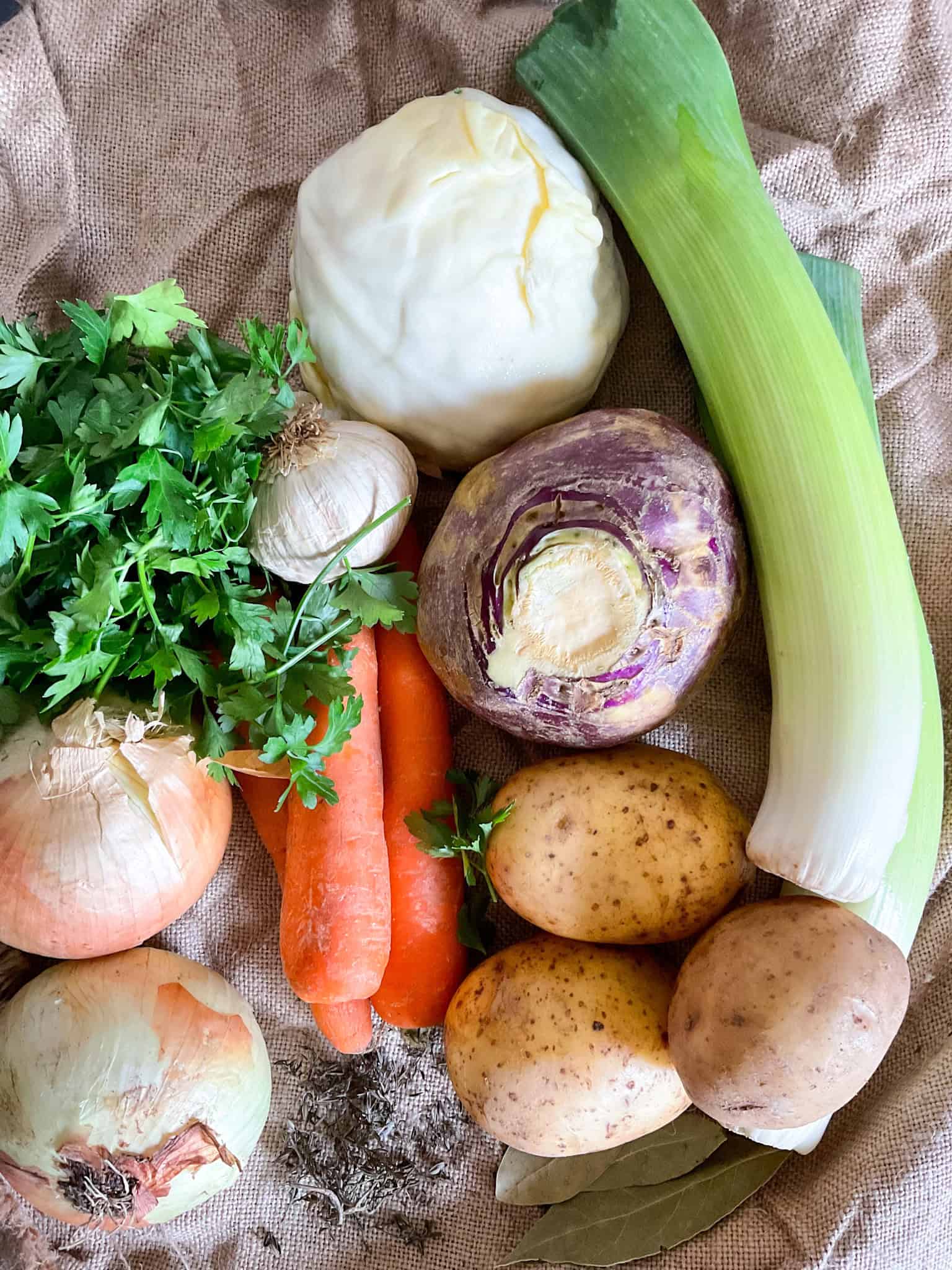
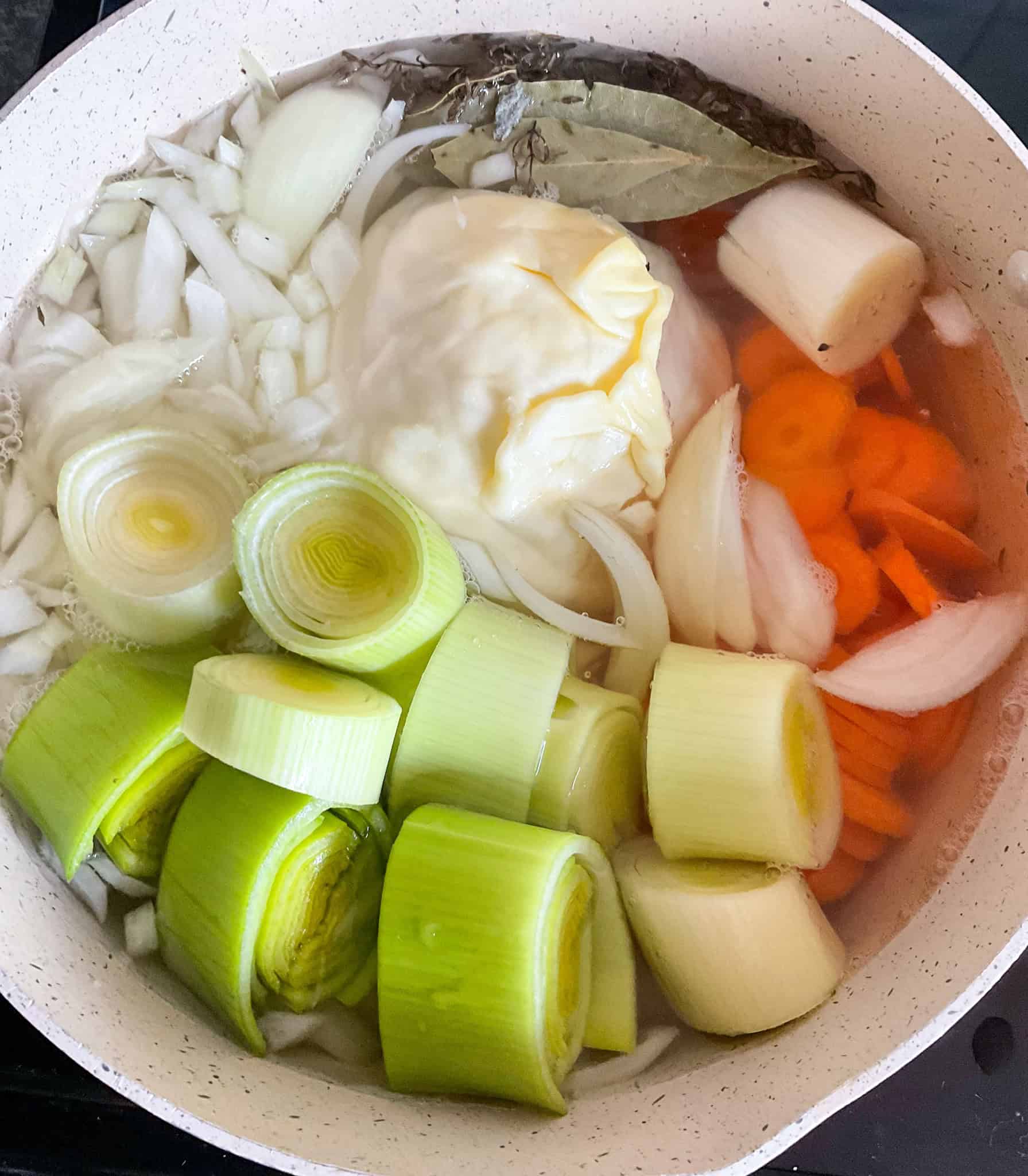
Step 1: Prepare the vegetables and add to a large soup pot.
Step 2: Cook for 40 minutes.
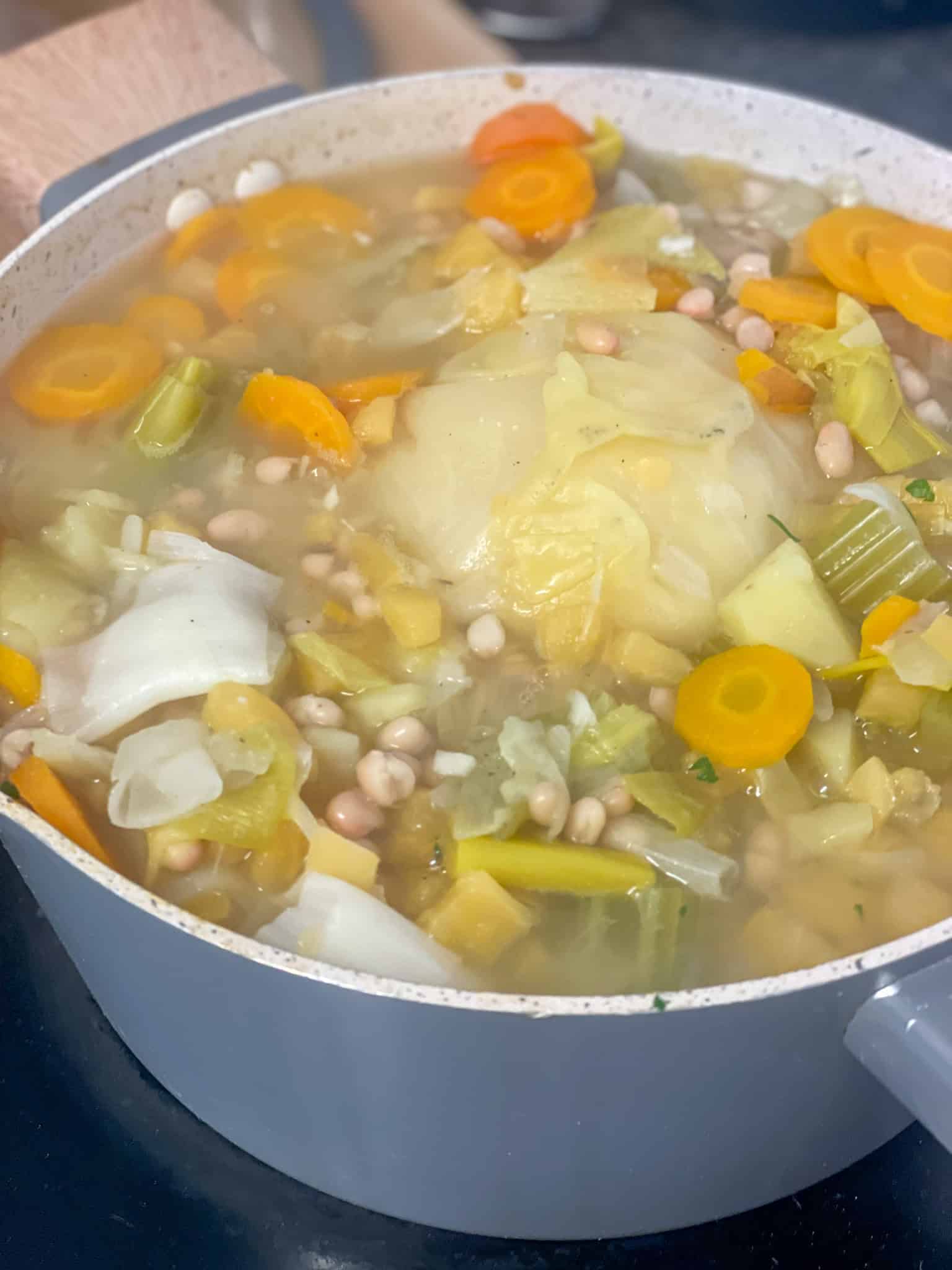
Step 3: Add the canned haricot [navy] beans and cook for a further 10 minutes or until the cabbage has cooked through.
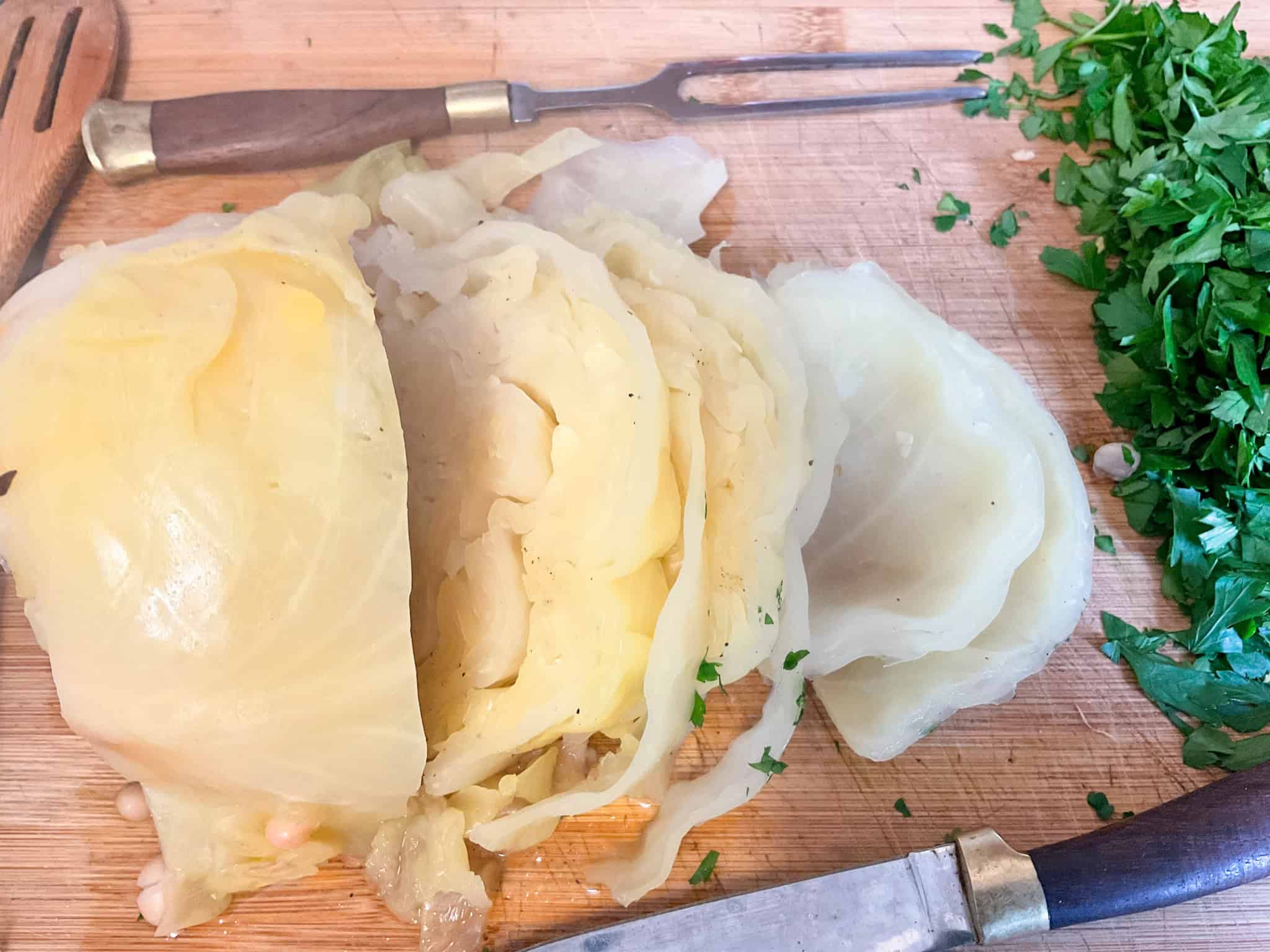
The original historical recipe serves this pottage with gammon (which is cooked separately as Elizabeth Ayrton states that the gammon would make the pottage greasy) as well as the cabbage slices. As we are a plant-based family we do not eat gammon but we thought it was fun to carve the cabbage as if it was the gammon! The cabbage was butter tender and very delicious and it does make for a budget-friendly gammon alternative for those who ordinarly eat meat.
Step 4: Remove the cabbage and carve it into slices or wedges.
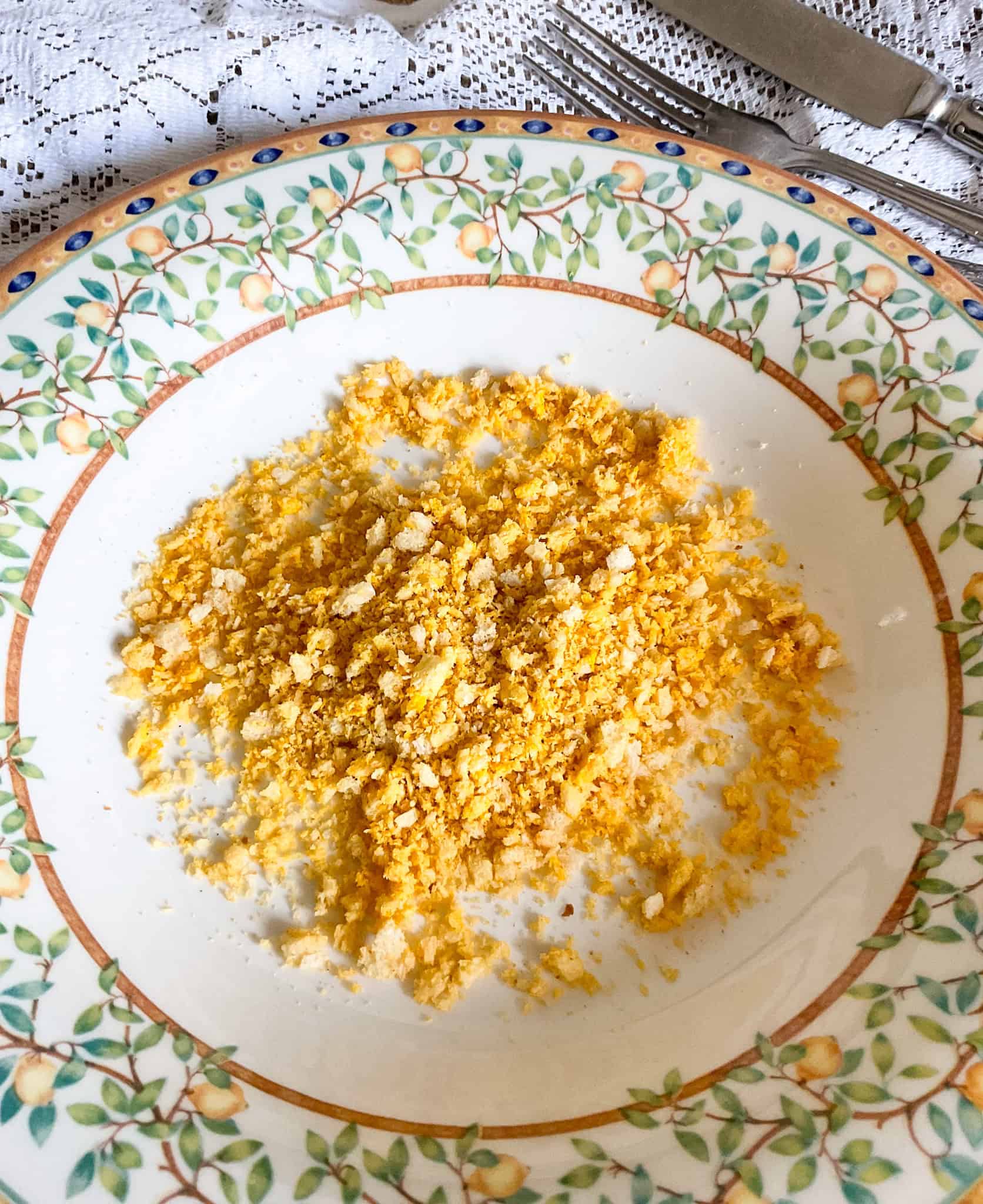
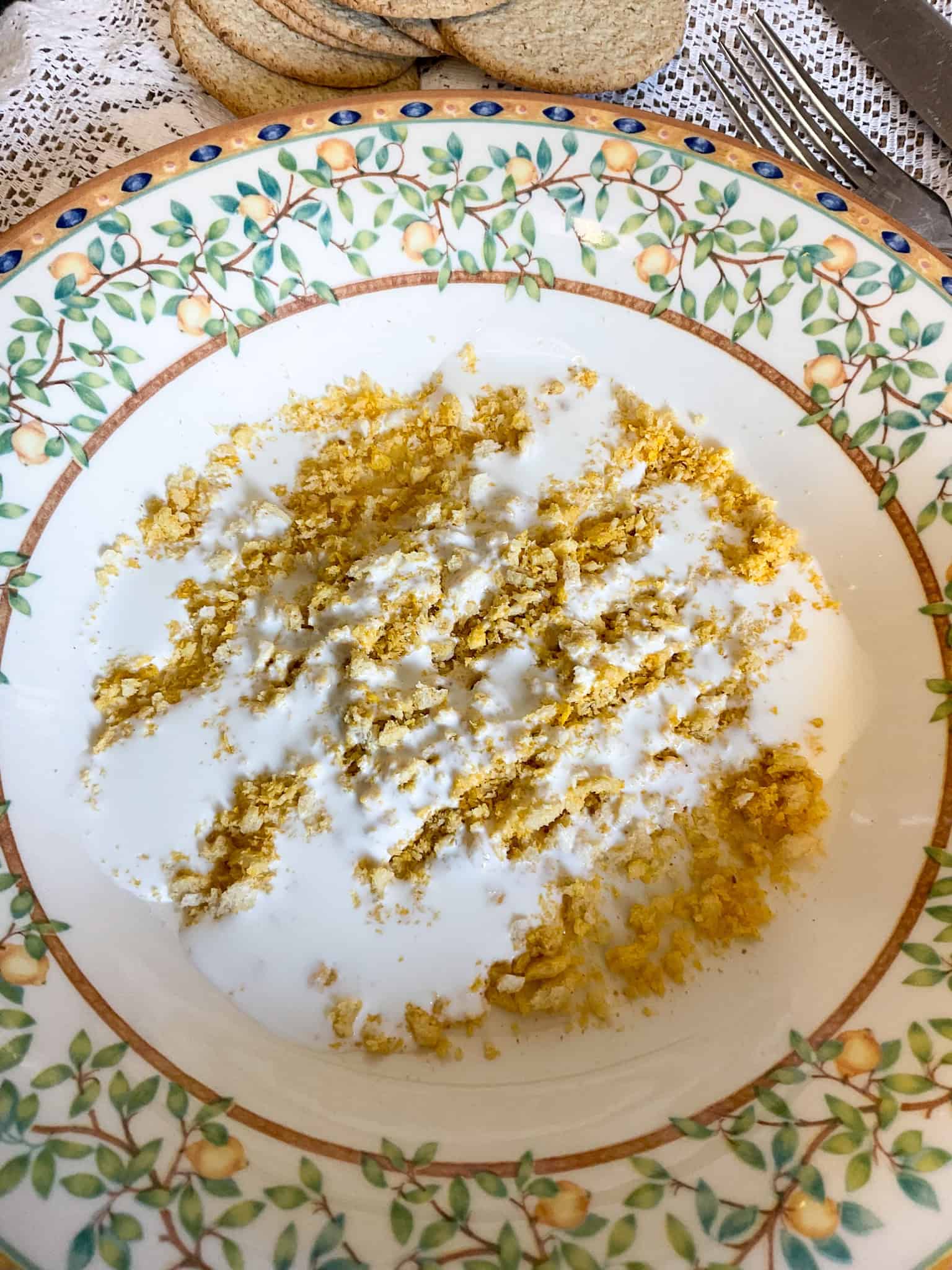
Step 5: Prepare breadcrumbs and mix with turmeric powder. Add a pile of breadcrumbs to each bowl.
Step 6: Drizzle cream over the breadcrumbs.
Step 7: Place some cabbage slices over the breadcrumbs and cream.
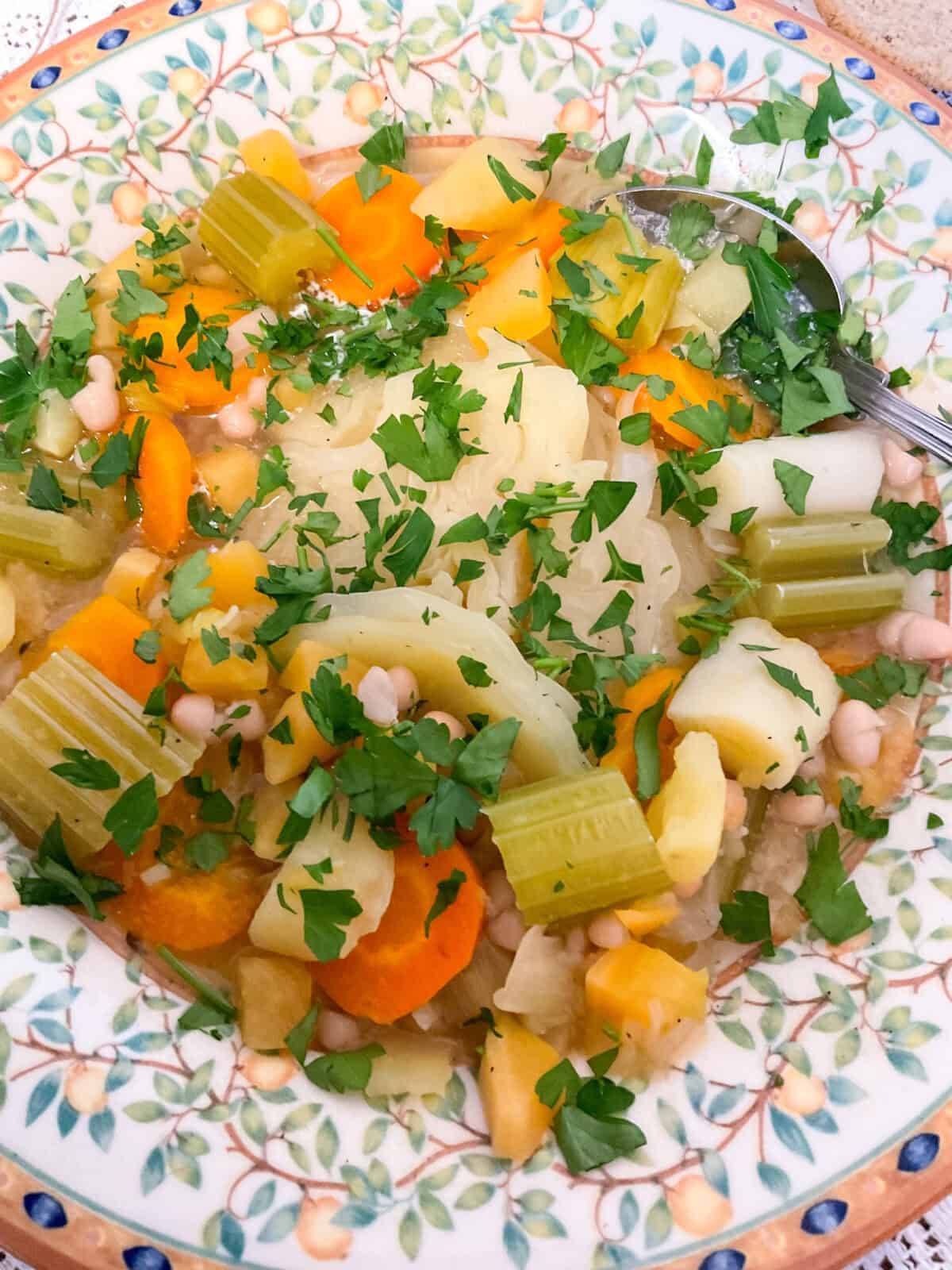
Step 8: Ladle the vegetables and broth around the cabbage.
Step 9: Sprinkle parsley over each bowl.
Why prepare old recipes in modern kitchens?
You may be wondering what old recipes bring to a modern kitchen? Why prepare this old pottage recipe when there are plenty of new ones constantly available? Preparing this old recipe is a lovely way to connect with the resourceful home cooks of the past some of those cooks may very well have been your ancestors.
Old recipes focus on simple, seasonal, ingredients and are fuss-free and easily adapted. All you need are just wholesome vegetables, a few herbs, and ingenious historical hacks like using breadcrumbs for thickening as well as to add extra textures and flavours.
Recipes like this can be enriching as they remind us that good food doesn't need to be complicated, fancy, or expensive, and they carry with them a sense of history, connection with the past, comfort, interest, and fun that we can easily replicate in our modern kitchens.
***please note: for US measurements click the 'US customary button' within the recipe and the measurements will switch to tablespoons, cups, and ounces.***
📖 Recipe

Winter Vegetable Pottage
Equipment
- Large cooking pot
- Mixing spoon or ladle
- Food processor or similar for preparing breadcrumbs
- Carving knife for slicing cooked whole cabbage
Ingredients
- 2 cans haricot beans [2 x 14oz cans, drained, can replace with canned butter beans or frozen broad beans]
- 240 grams carrots [2-3 medium, thin sliced]
- 240 grams leeks [1-2 leeks, remove outer leaves and slice into 1 inch pieces]
- 500 grams potatoes [3-4 medium sized, cut into ¼ inch pieces or bite-sized chunks]
- 400 grams swede (also called turnip in Scotland or rutabaga in US) [1 small, sliced into ¼ inch pieces or bite-sized chunks, or replace with 3 small turnips which the original recipe calls for]
- 3 sticks celery [trimmed, sliced into 1 inch chunks]
- 260 grams onion [1 large, thin sliced]
- 1 large clove garlic [use as much garlic as you like]
- 2 bay leaves
- 1 bunch fresh thyme [or 2-3 teaspoons of dried thyme]
- 600 grams firm green or white cabbage [1 small-medium, remove outer leaves, trim tough stalk but keep the cabbage whole]
- 1.5 litres water
- 2 slices white bread [prepared into fine breadcrumbs]
- 1 teaspoon turmeric powder
- 2 teaspoons salt
- ½ teaspoon black pepper
- ¼ pint double cream [I use Alpro Soya single cream]
Garnish
- 4 tablespoons parsley [fine chopped, can replace with a different herb such as chopped chives]
Instructions
Prepare the pottage:
- Add the water, bay leaves, garlic, salt, pepper, and thyme to a large pot and bring to the boil while you prepare the vegetables.1 large clove garlic, 2 bay leaves, 1 bunch fresh thyme, 1.5 litres water, 2 teaspoons salt, ½ teaspoon black pepper
- Add the whole cabbage to the middle of the pot and place the rest of the vegetables around it: potatoes, carrots, leeks, swede, onions and celery.240 grams carrots, 240 grams leeks, 500 grams potatoes, 400 grams swede (also called turnip in Scotland or rutabaga in US), 260 grams onion, 600 grams firm green or white cabbage, 3 sticks celery
- Bring to the boil and simmer over a medium heat for 40 minutes. After 20 minutes flip the cabbage over so that the top side has a chance to cook through.
- After 40 minutes add the canned haricot beans and continue to cook for another 10 minutes.2 cans haricot beans
- Check to see if your cabbage has cooked through and if not continue cooking until the cabbage can be easily sliced.
Prepare the breadcrumbs
- While the pottage cooks prepare the breadcrumbs. Add 2 slices of white bread to a food processor and process until its fine breadcrumbs.2 slices white bread
- Place the breadcrumbs into a small bowl and mix in the tumeric powder. Set aside until the pottage has finished cooking.1 teaspoon turmeric powder
Serve the pottage
- Carefully remove the cabbage from the pot and place onto a chopping board or other suitable kitchen surface.
- Slice the cabbage into wedges.
- Add a good pile of turmeric breadcrumbs to each serving bowl and drizzle them with cream. Although if preferred you can omit the cream or drizzle this on top of the pottage once placed into serving bowls.¼ pint double cream
- Place some cabbage wedges onto the breadcrumbs and ladle around the vegetables and stock. Optional: If liked you can add a pat of margarine or butter on top of the cabbage as this was included within the original historical recipe. I didn't think it needed it but this is personal preference.
- Finish with a garnish of parsley, and extra salt & pepper if you think it needs it.4 tablespoons parsley
- Place any unused cabbage back into any leftover pottage. Any leftover breadcrumbs and pottage is very tasty for next days lunch.
Notes
- Nutritional data is not exact and is an estimate as ingredients vary.
- I have made a few tweaks to Elizabeth Ayrton's recipe which are detailed below. Ayrton states that the recipe can be located in various early cookbooks and manuscripts with some variations but the recipe for Pottage of Winter vegetables remains mostly the same in each source.
- The original recipe calls for 2-2½ Ib gammon or collar joint but as we are a plant-based cooking blog we omitted this ingredient. The gammon was cooked separately as Elizabeth Ayrton states that it would have made the soup too greasy, it was also served along with the pottage.
- The cabbage is cooked whole and removed at the end of cooking and carved into slices which makes a very nice plant-based gammon alternative. The original recipe added a slice of butter to the top of the whole cabbage once removed from the pottage and placed onto a serving dish, and finished it with a sprinkle of parsley. Dairy-free butter or margarine will also do fine for this if you want to serve the cabbage this way.
- If you would like to obtain a meaty flavour, minus any animal ingredients, for your pottage you can try adding one or two extra ingredients such as a teaspoon of vegetable extract or marmite and/or a tablespoon of soy sauce, and/or use a beef flavoured vegan stock or broth such as plant-based beef or chicken OXO cubes. As the recipe calls for 2 teaspoons of salt do reduce this amount if you add aditional flavours especially soy sauce and stock.
- If preferred omit the called for amounts of salt & pepper, and replace with vegetable stock. Add salt & pepper to taste.
- The original recipe calls for 240g or 8 oz dried haricot beans or butter beans that have been soaked overnight. The soaked beans are drained and added to the pottage at the beginning of cooking. If you wish to do this increase the water amount by adding an additional ½ litre and add more as the pottage cooks if you think it requires it. You will also have to increase the cooking time as 50 minutes may not be enough to cook the dried beans. I used canned haricot beans for convenience.
- Wholemeal or wholewheat breadcrumbs can be used instead of white breadcrumbs.
- Gluten-free pottage: Use gluten-free breadcrumbs.
- We like to serve this pottage with Scottish oatcakes or crusty bread. Elizabeth Ayrton recommends jacket/baked potatoes or crusty bread and to enjoy with a 'rough red wine or dry cider'!
Nutrition
If you love this pottage recipe with its turmeric breadcrumbs you will likely love this other vintage recipe which is a British classic vegetable soup: Golden Vegetable Soup this recipe is also simply flavoured with turmeric. Also, for another fun and interesting pottage recipe have a look at our Medieval Inspired Potage recipe which is a family favourite but also one of our blog visitors favourites.
❓ FAQ'S
The pottage itself is naturally gluten-free. To keep the whole recipe gluten-free, be sure to use gluten-free bread for the breadcrumbs.
It's inspired by an old British pottage recipe that dates back to before the 18th century, with details taken from Elizabeth Ayrton's The Pleasure of Vegetables. This version has been slightly adapted by removing the gammon accompainment.
Yes, you can use 240g dried haricot or butter beans. Soak overnight starting with boiling water to soak, drain, and simmer in the pottage from the beginning. Increase water by ½ litre and simmer longer until the beans are tender, adding more water as required.
Oatcake crumbs, finely crushed crackers, or gluten-free bread will all work well. You can also skip them and enjoy a lighter broth, or blend a small portion of the stew and stir it back in to thicken.
Traditionally it was served either all together in a bowl (medieval-style), or the vegetables and cabbage, and broth were separated (18th-century style) into separate bowls. You can keep it rustic or go for the more formal presentation. Crusty bread is a nice accompaniment.
📖 More historical meat-free vegetable recipes
I love re-creating historical recipes in my family home kitchen as it's just fun and so interesting. It's fine to modify the recipes as we are cooking in modern kitchens with modern ingredients so we have to make do with what ingredients we can source, are in season, within our budget, etc., which is just what many home cooks had to do anyway throughout the centuries.
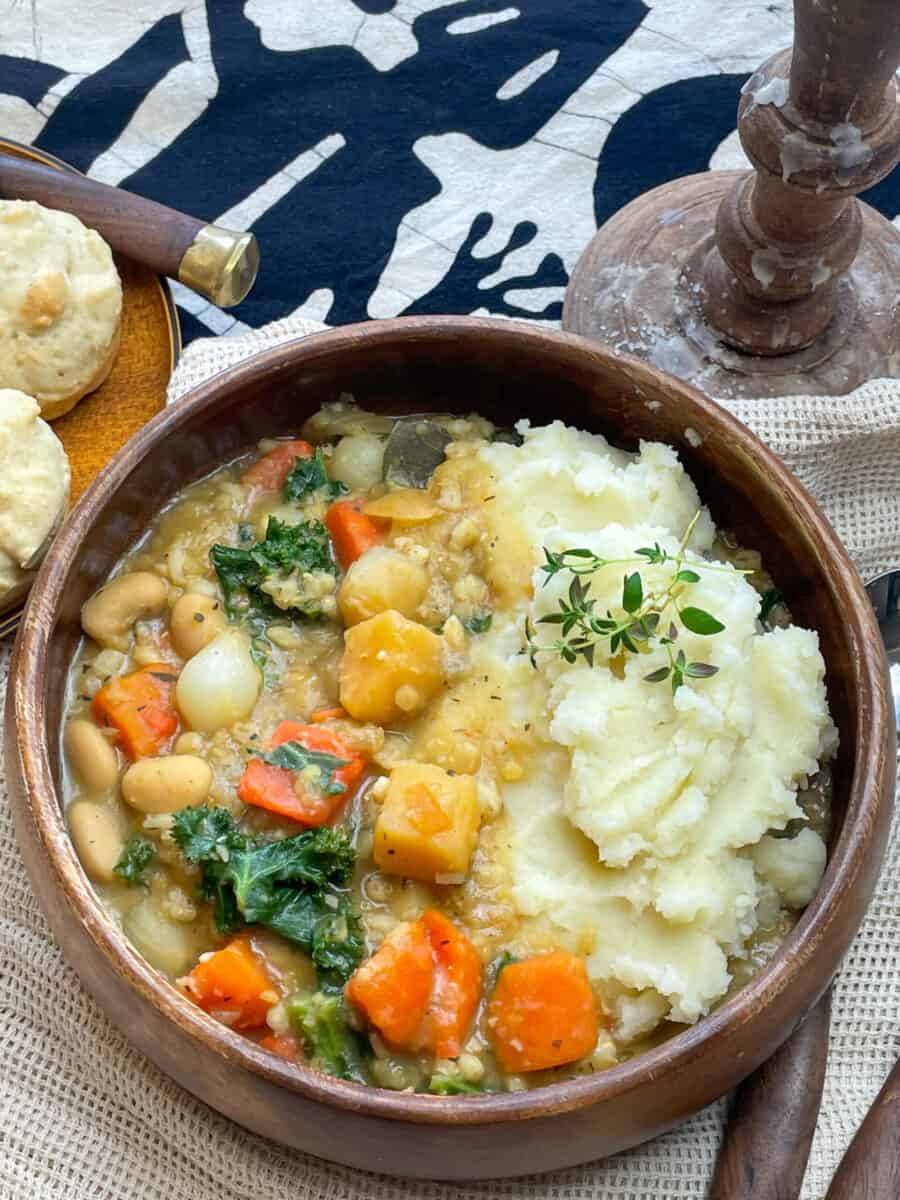
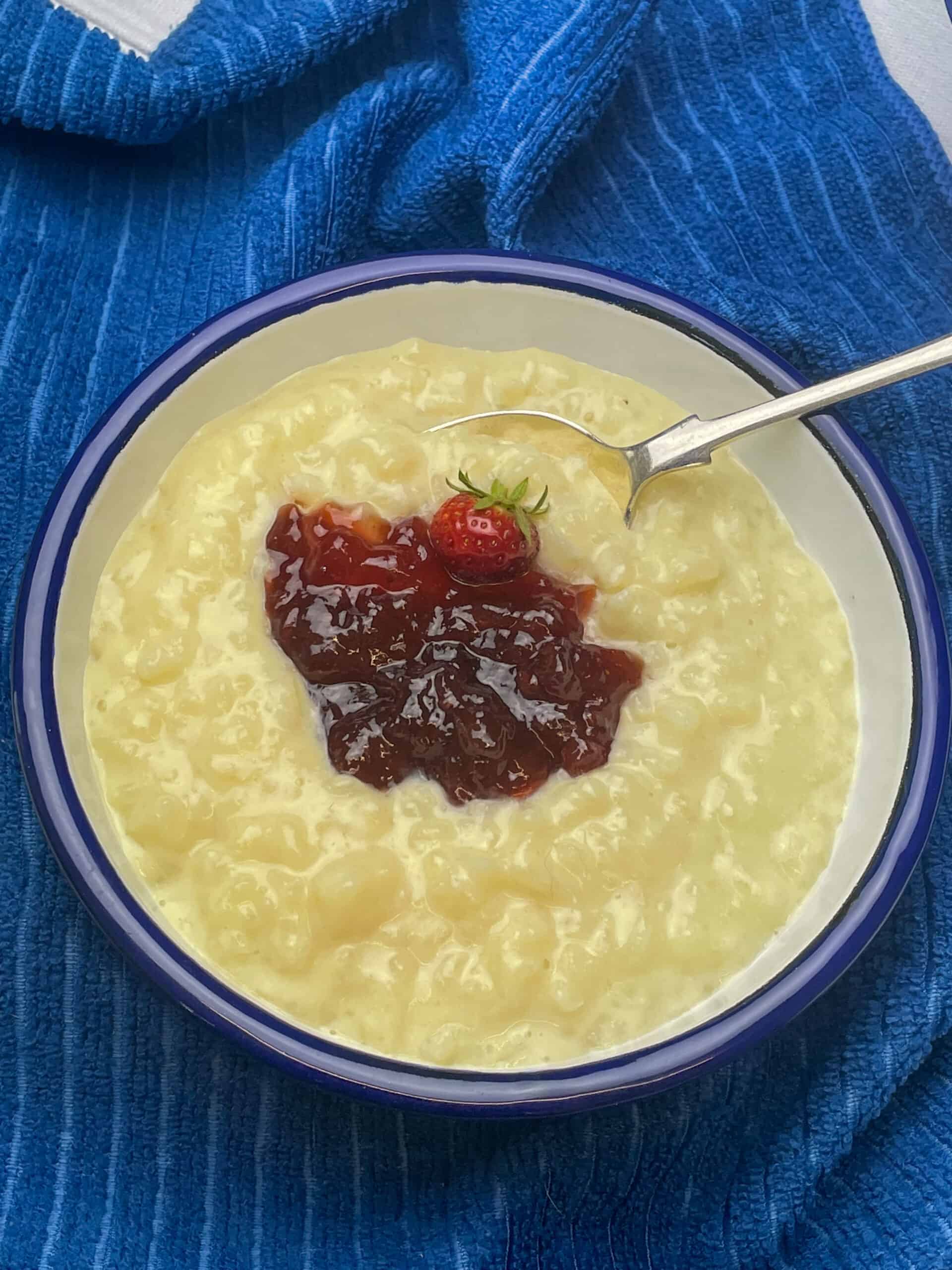
A few of our family favourite recipes which have their origins in centuries old recipes are this Medieval Style Pottage recipe and this Mushy Peas recipe which is reminiscent of peas pottages is one of my all-time favourites. For pudding we love this easy slow cooker Rice Pudding which I make at least twice a month and often switch it up for this Barley Pudding which makes a nice tasty change.
As we are a plant-based cooking family all my recipes suggest plant-based vegan-friendly ingredients such as soya milk and dairy-free butter/margarine but if you have different dietary requirements then do use your usual ingredients as these will work fine.
***please note: for US measurements click the 'US customary button' within the recipe and the measurements will switch to tablespoons, cups, and ounces.***
Comments
Prepared this Vegetable Pottage? I would love to know how you got on with the recipe so it would be wonderful if you could drop us a comment below. All comments and feedback is very much appreciated. Thanks! Jacq x
Jacq says
My family loves this winter vegetable pottage but we would really love to know what you think. Do leave us a comment. Thanks so much. Jacq x